I'm Back in the YouTube Classroom + Summer in Akita 🇯🇵
Konnichiwa! ☺️🇯🇵
I hope you are enjoying the last month of summer! ☀️
I’m back in the YouTube classroom! 🇯🇵 After more than a year and a half, I recently posted a new longer Japanese lesson about how to say “Oh Well”.
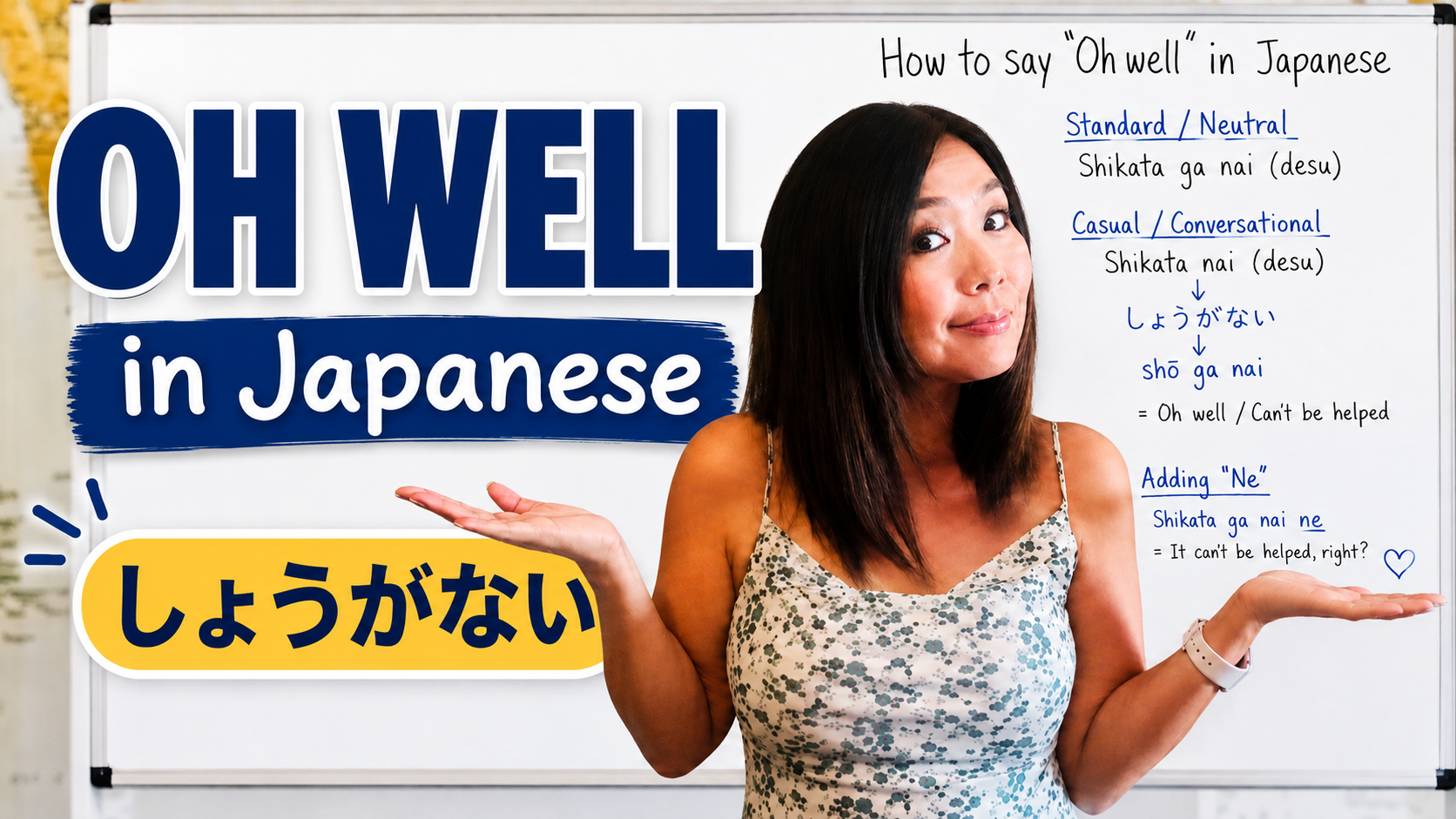
In this lesson, I explain the difference between:
Shikata ga nai
Shikata nai
Shōga nai
They all have a similar meaning, but Shōga nai is especially common in casual, everyday conversation.
You can use these expressions when something disappointing or inconvenient happens, but there’s nothing you can do to change it.
For example, imagine you go to an Izakaya (Japanese-Style Pub), but they’ve sold out of your favourite Takoyaki (Japanese Octopus Balls). Or your flight gets cancelled because of bad weather.
You might say:
Shōga nai
It has the feeling of:
“Oh well”
“What can we do?”
“It can’t be helped”
I also explain how adding Ne or Yo changes the feeling of the expression.
If you haven’t watched the lesson yet, check it out! ⬇️🇯🇵
A Summer Festival in My Hometown Akita 🎋🏮
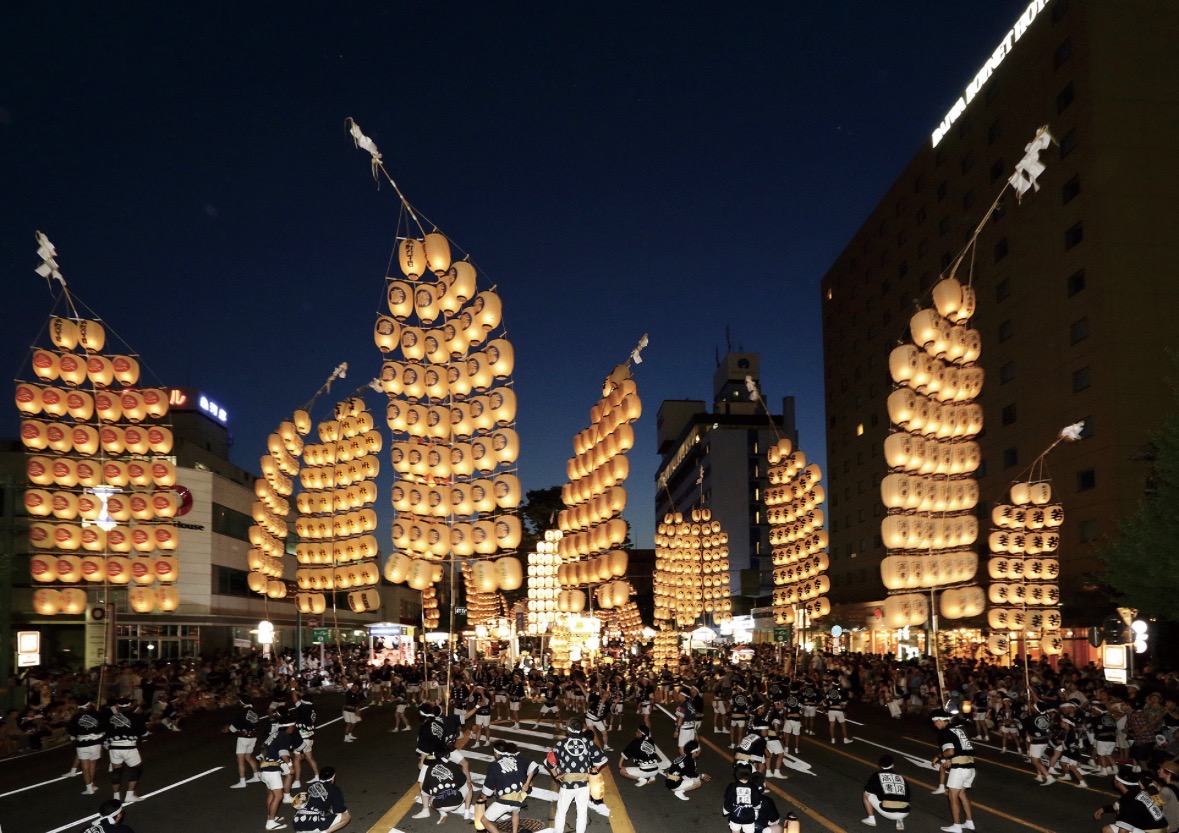
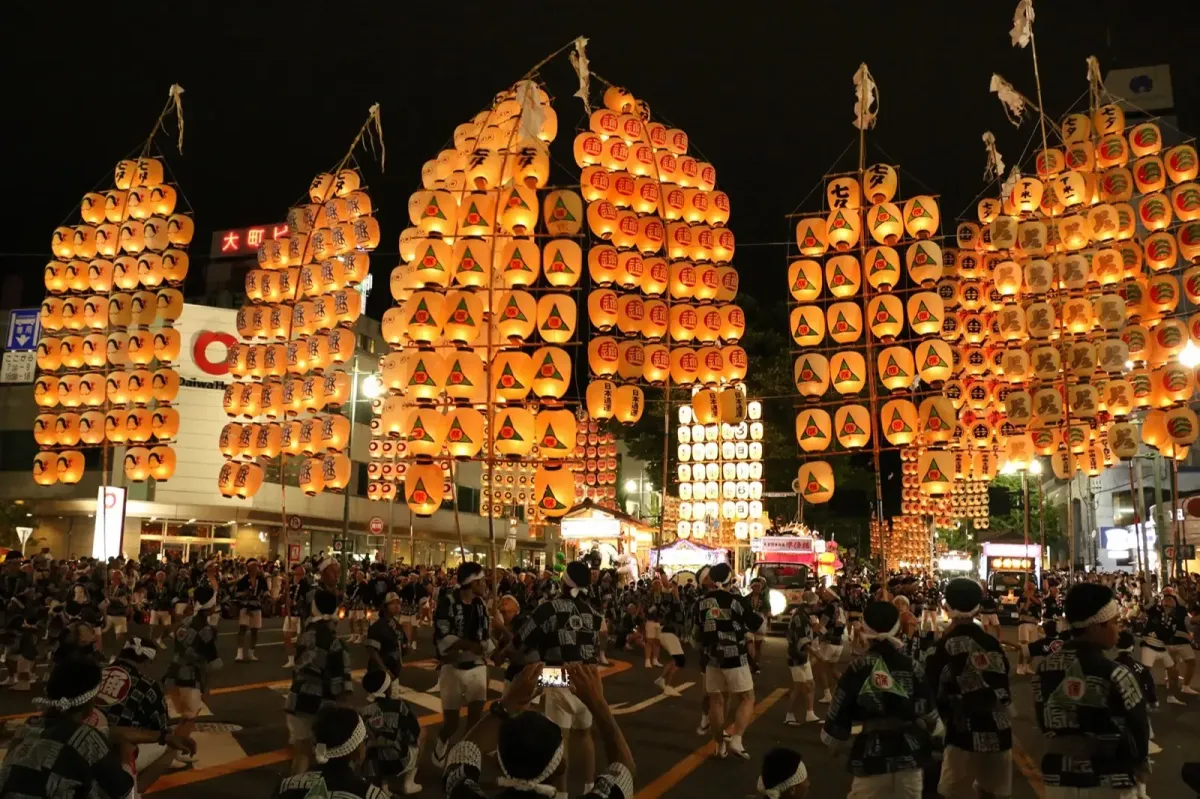
I was born and raised inAkita, Japan, and one of our most famous traditions is the Akita Kantō Matsuri (Festival).
The festival takes place every year from August 3rd to August 6th and has a history going back around 270 years. It began as a summer tradition connected with prayers for a good harvest and protection from illness.
During the festival, performers balance enormous bamboo poles covered with glowing paper lanterns. Around 280 Kantō poles fill the main street of Akita during the evening performances. The largest poles can be about 12 metres tall, carry 46 lanterns, and weigh around 50 kilograms, or 110 pounds!
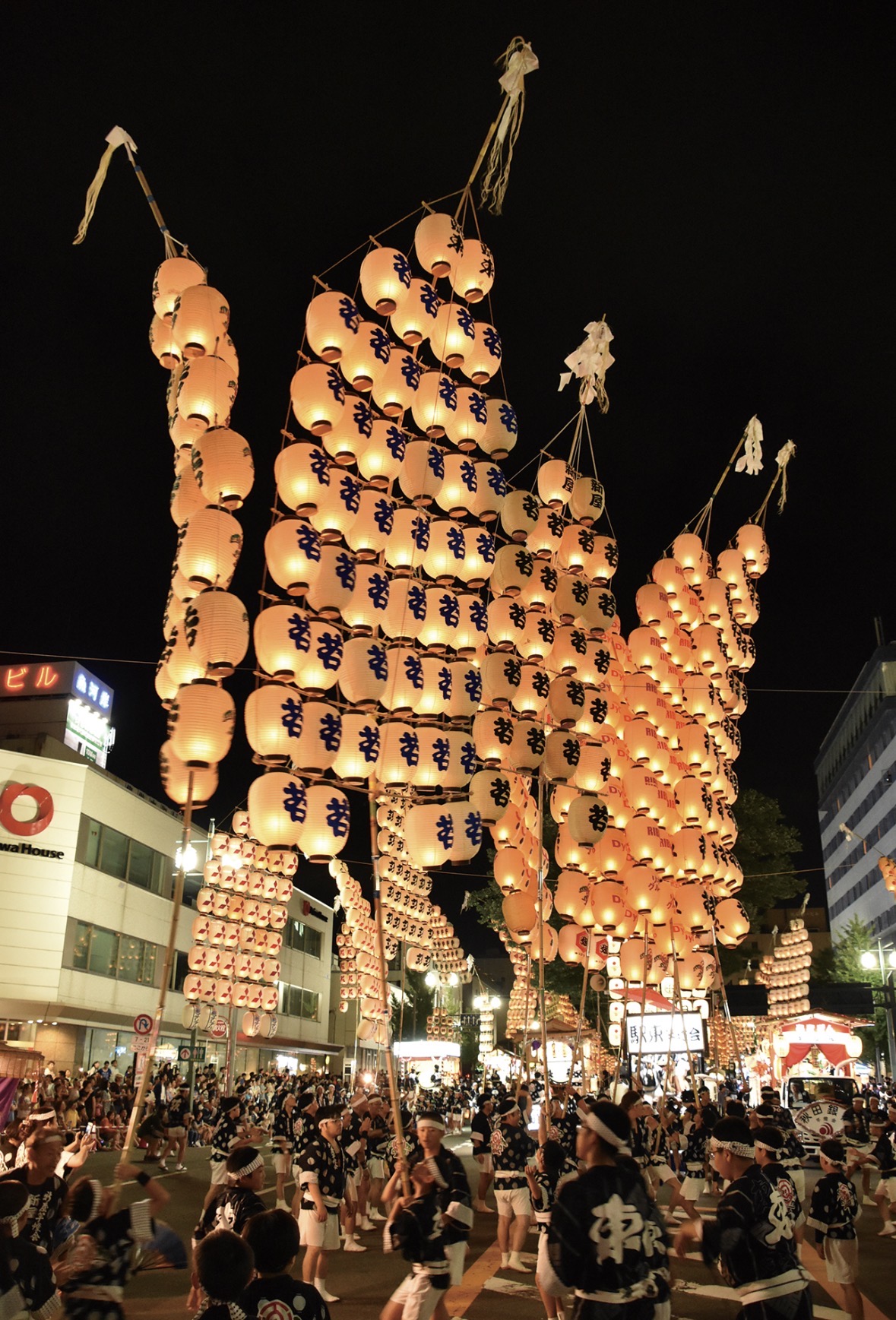
As the performers balance the poles, the crowd and participants chant, “Dokkoishō Dokkoisho!” The energetic chanting, along with the drums and flutes, makes the entire street feel incredibly lively!
They balance them on their palms, shoulders, foreheads and hips. Sometimes a performer loses control and a pole starts falling or even breaks. Those unexpected moments are also part of the excitement!
At night, the streets are filled with music, festival food, drinks, and people wearing Yukata, a casual Japanese Summer Robe. Seeing thousands of lanterns glowing above the crowd is incredibly beautiful. ✨
Growing up in Akita, this festival was always a special part of summer for me. I’m happy to share a little piece of my hometown with you. 🇯🇵
Jyā ne!
Satoko ☺️
Japanese World Academy