
It's Obon Season in Japan! 🇯🇵🏮
Konnichiwa! Satoko desu! 😊
Can you believe it’s already August 20th!? Summer is slowly coming to an end. I feel like it just started…☀️🥲
As many of you know, I’m also a flight attendant, and I just finished my annual recurrent training! ✈️Every year, we have to complete training and exams to stay qualified, so it’s always such a relief when it’s all done! 😌
Now I’m excited to get back to creating more Japanese lessons for you guys! 🇯🇵
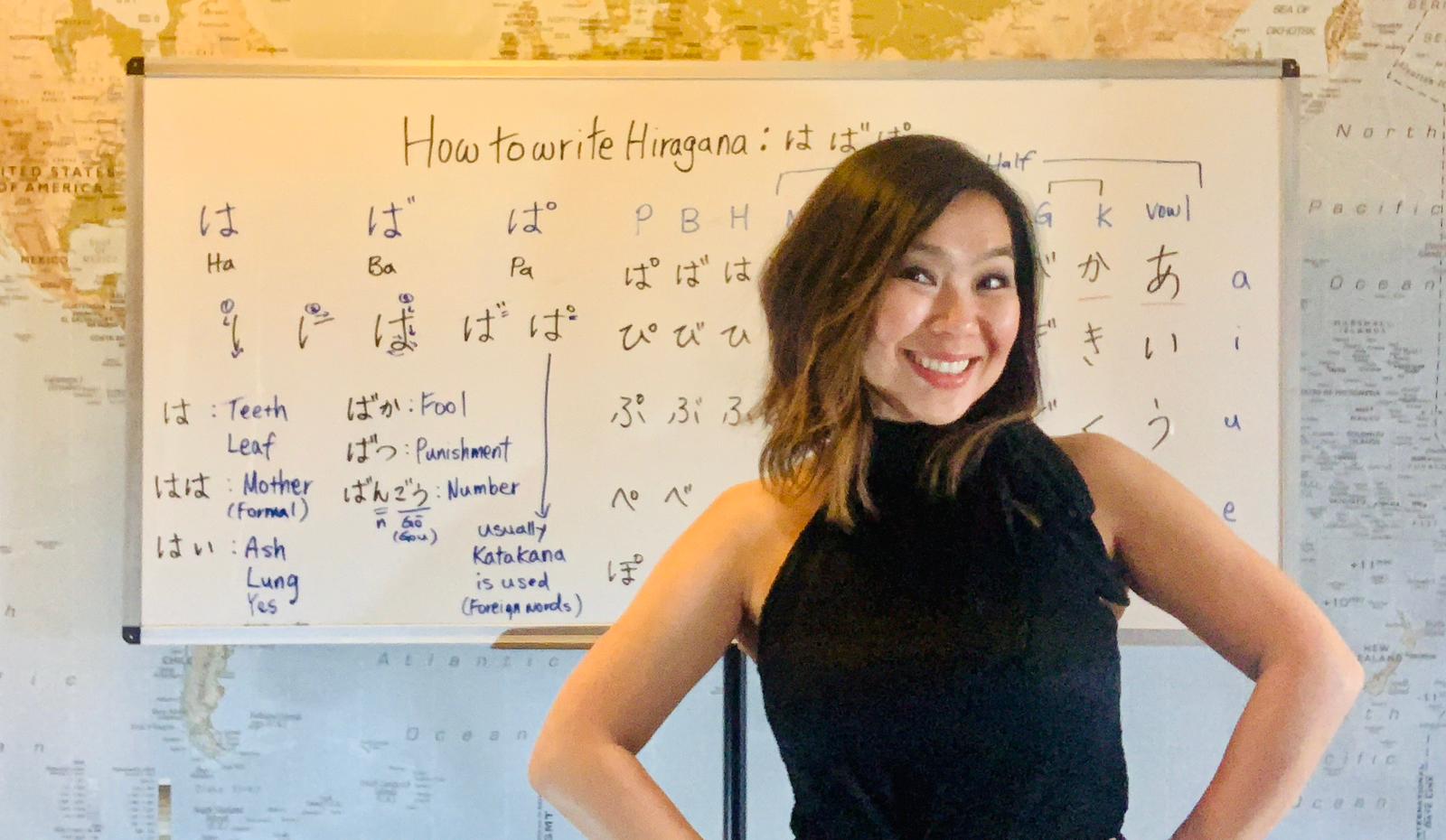
MASU vs DESU: What’s the Difference? 🇯🇵

You’ve probably heard MASU and DESU hundreds of times in Japanese.
Arigato gozaimasu.
Genki desu.
But do you know why we use MASU in one sentence and DESU in another? Here’s the easiest way to remember:
MASU → VERBS
Tabemasu → to eat
Ikimasu → to go
DESU → NOUNS or ADJECTIVES
Satoko desu → I’m Satoko.
Genki desu → I’m well / energetic.
Both MASU and DESU make a sentence polite, but they have completely different jobs! And what happens in the past tense?
MASU → MASHITA
Tabemasu → Tabemashita
DESU → DESHITA (For nouns and na-adjectives)
Genki desu → Genki deshita
In my newest YouTube lesson, I go deeper into MASU vs DESU, i-adjectives vs na-adjectives, past tense, and more!
🎥 Watch the full lesson on YouTube!
A Little JWA Update… 👀🌸
I’ve been working on something new behind the scenes! Something exciting is coming to JWA in September for those of you who want to learn Japanese with me at your own pace, wherever you are! 🇯🇵
More details coming soon… stay tuned! 😊
It’s Obon Season in Japan! 🇯🇵🏮
Have you heard of Obon?
Obon is a traditional Japanese period when we remember and honour our ancestors and loved ones who have passed away.
In many parts of Japan, it takes place around August 13–16, and many people return to their hometowns to spend time with family.
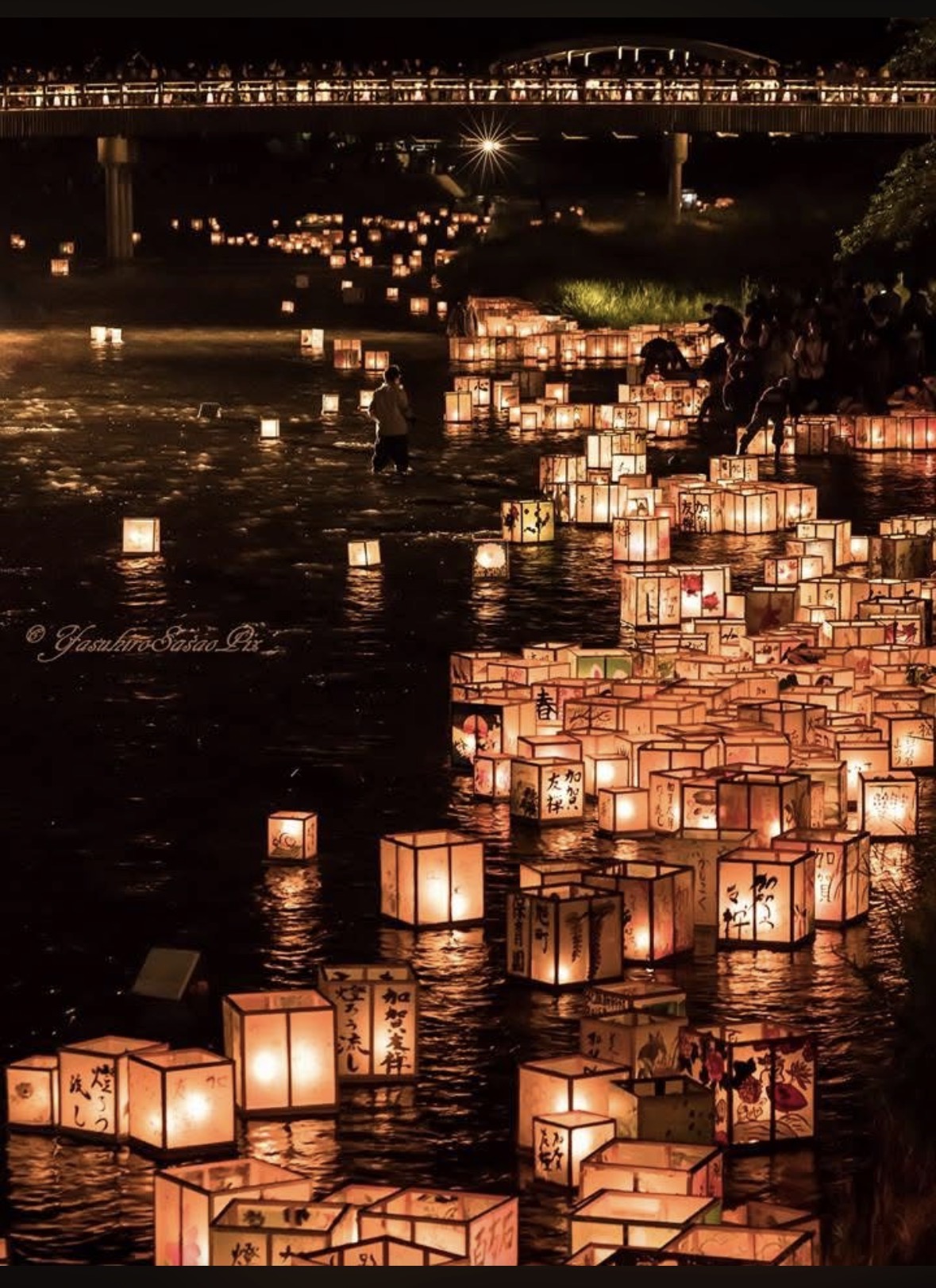
You may also see Tōrō Nagashi, where lanterns are floated on the water to symbolically guide the spirits of ancestors back to the other world at the end of Obon. 🏮
If you know Mexico’s Día de los Muertos (Day of the Dead), the idea is somewhat similar; remembering loved ones who have passed away and welcoming their spirits back for that period, although the traditions are very different.
One important Obon tradition is Ohaka mairi, visiting the family grave. Families clean the grave, offer flowers and incense, and pay their respects to their ancestors.
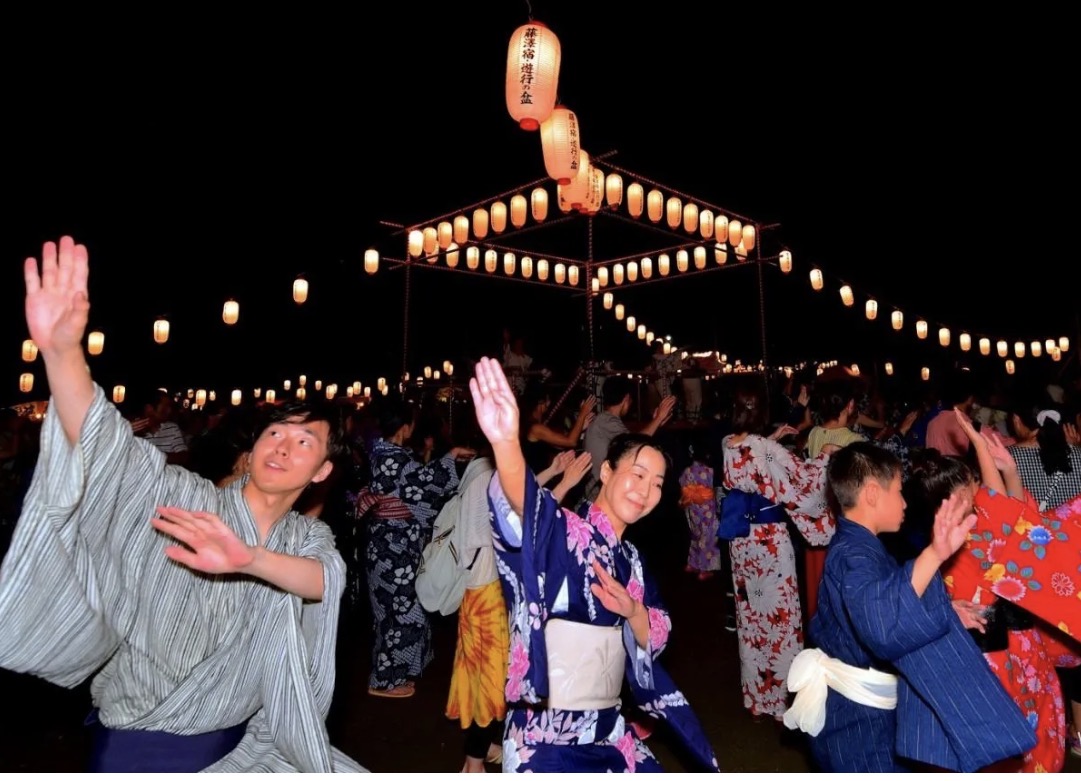
You may also see Bon Odori, traditional dancing at Obon festivals.🏮💃🏻
And have you ever seen these? 🥒🍆😆
During Obon, some families make Shōryū Uma using a cucumber and an eggplant with little legs. The cucumber represents a horse, so ancestors can return quickly, while the eggplant represents a cow, so they can slowly return to the spirit world.
And a little fun fact…😆🐱
My parents’ cat is named Bon! My niece found him abandoned around the Obon season, so she named him Bon. And he just turned 14 years old this Obon! 🥳🐱❤️

That’s it for this week!
Enjoy the rest of your summer, keep learning Japanese little by little, and keep an eye out for my September announcement! 👀🌸
Jyā ne!
Satoko 😊
Japanese World Academy 🇯🇵